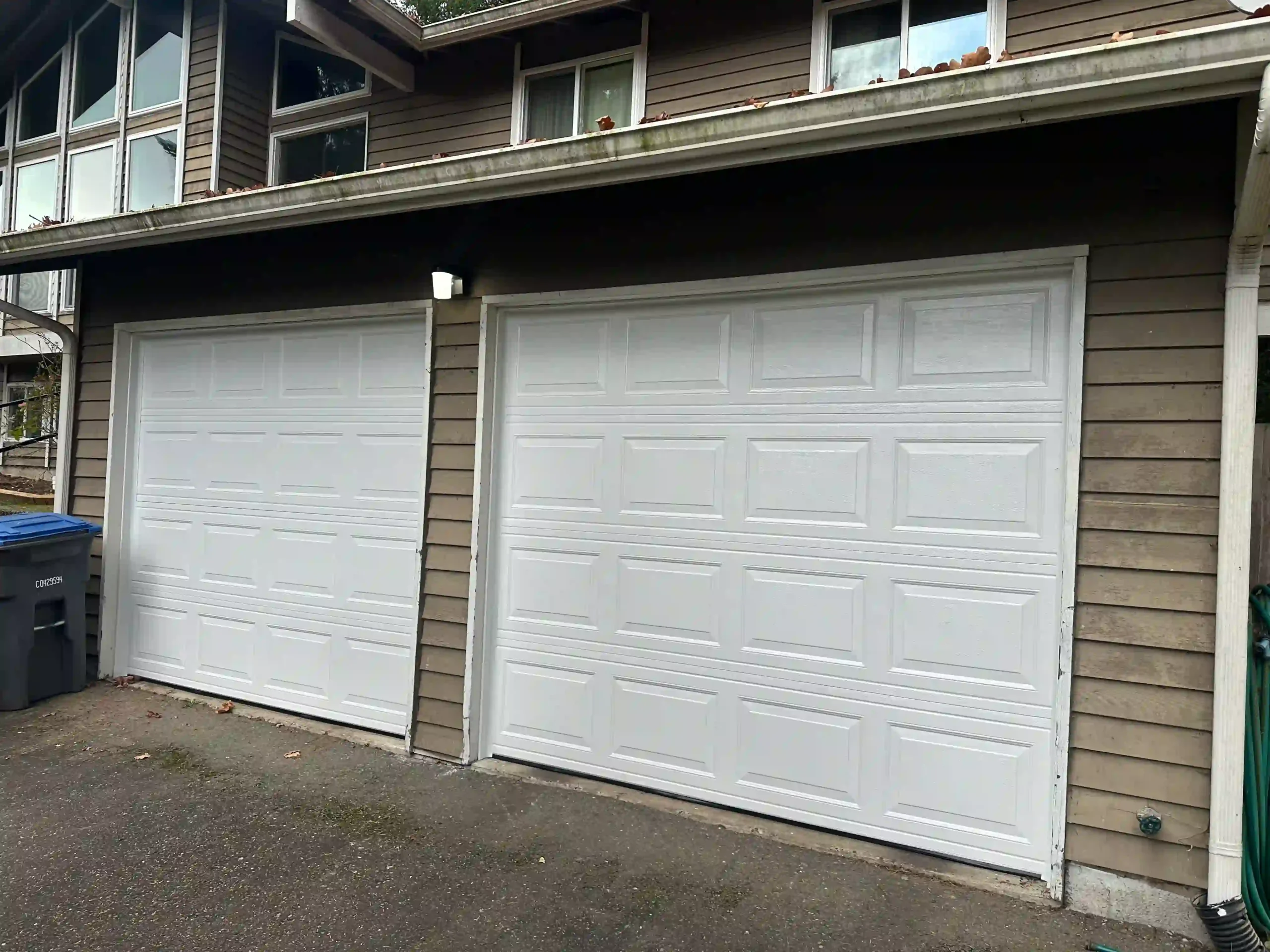
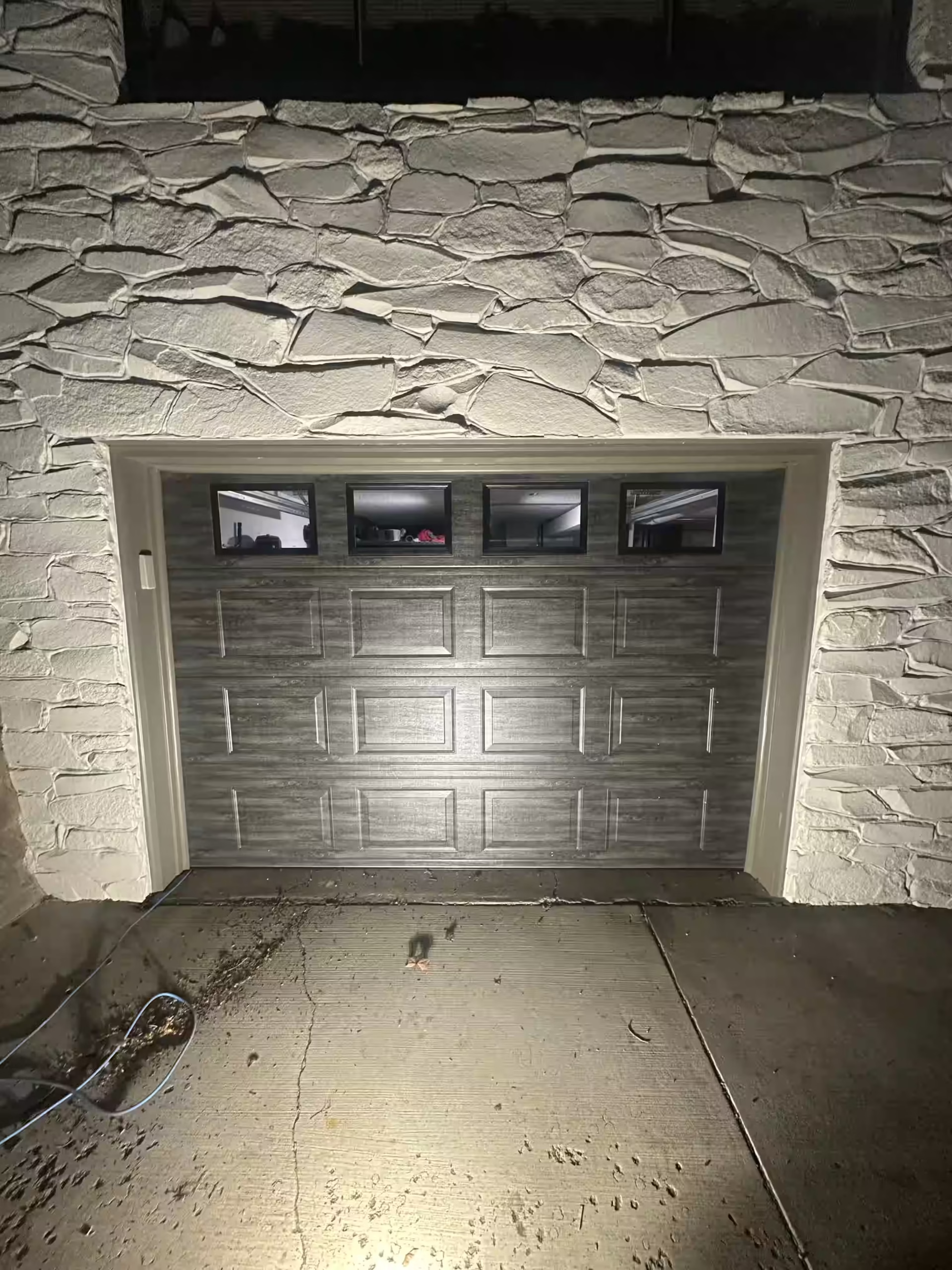
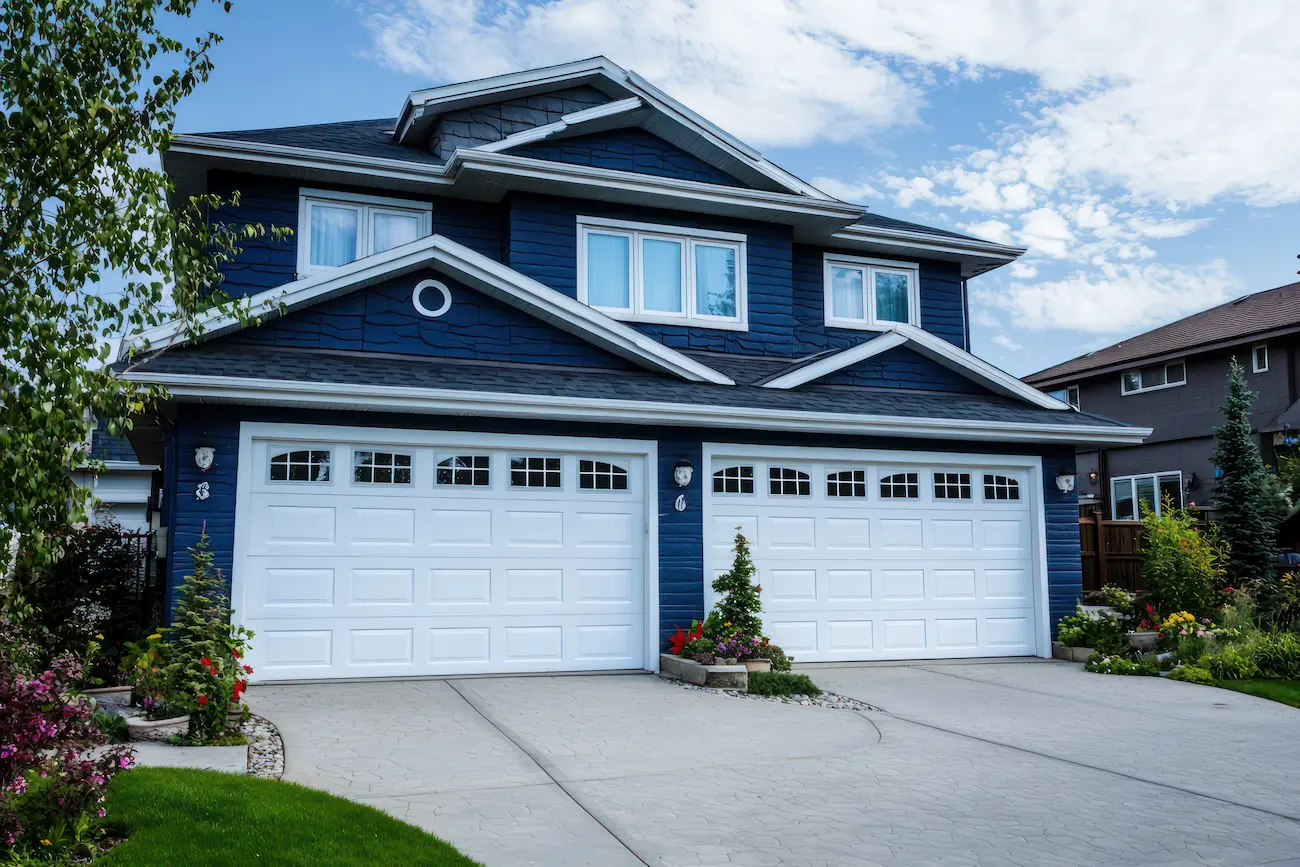
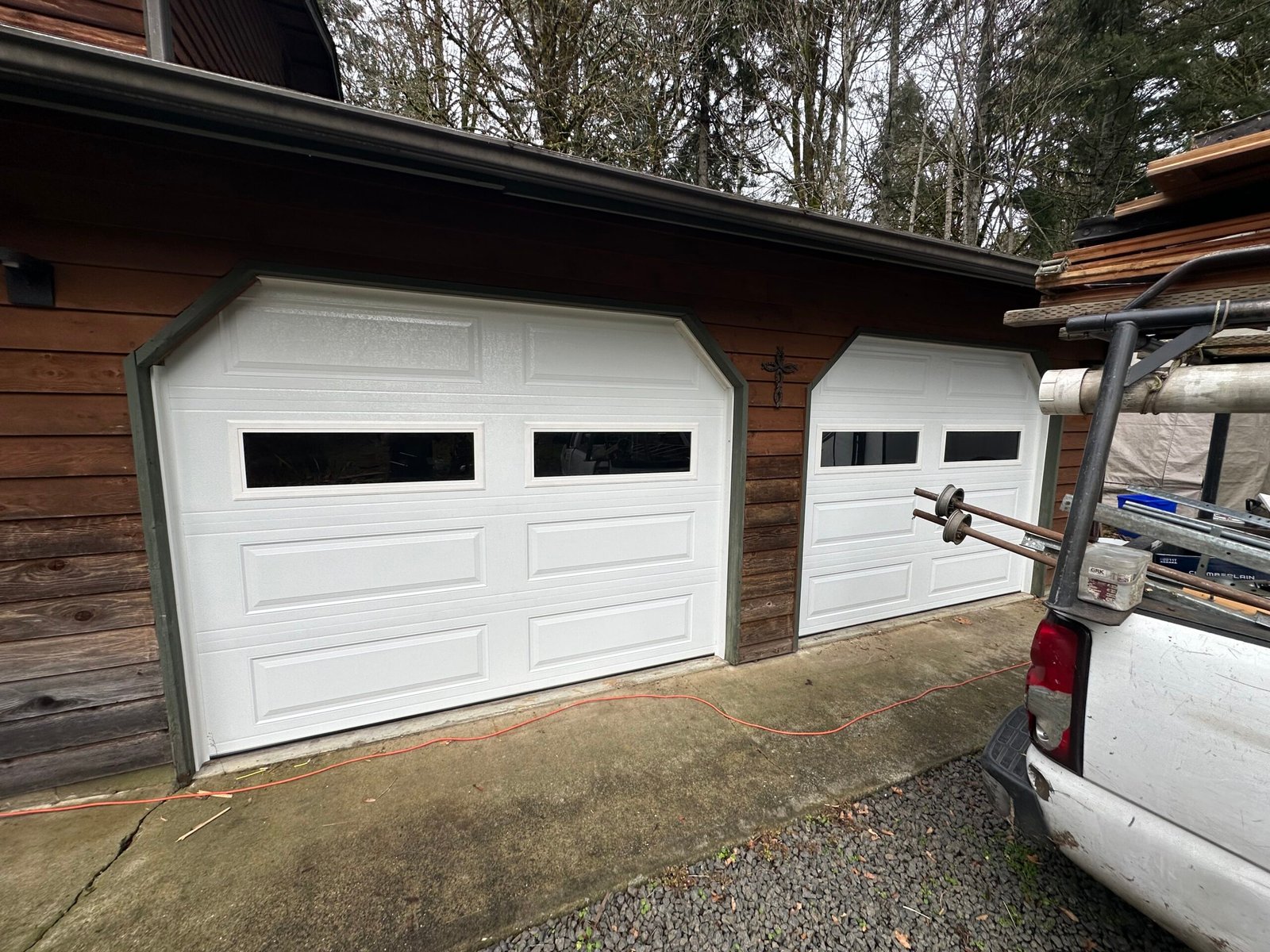
Your residential garage door is the largest moving mechanical system in your home. When it is operating properly, you should be able to lift it smoothly with one hand after pulling the manual release cord. When your overhead door suddenly feels impossible to lift manually or drops back down when released, you are likely dealing with a failing garage door spring in Yelm, WA. Garage door springs provide the mechanical counterweight required to balance doors weighing anywhere from 150 to over 350 pounds; when they lose tension or snap, your electric opener is forced to carry dead weight it was never engineered to bear.
At Emerald Garage Door, our technicians bring more than a decade of industry expertise to Thurston County and South Sound homeowners. Learn more about Emerald Garage Door and how we safely diagnose, balance, and repair high-tension counterbalance systems.
Garage Door Spring Diagnostic Matrix
| Operational Symptom | Mechanical Failure | Immediate Risk Level | Recommended Service |
| Door feels like 200+ lbs; won’t budge | Complete torsion spring fracture | Critical (extreme free-fall hazard) | Garage Door Repair |
| Lifts 4–6 inches, stops, and reverses | Broken spring causing opener motor overload | High (internal opener drive gear failure) | Garage Door Opener Service |
| Door lifts crooked; one cable slack | Broken extension spring or slipped cable | High (roller binding & track deflection) | Garage Door Repair |
| Loud, gunshot-like bang in garage | High-tension spring release at cycle end | Critical (stored energy release) | Emergency Spring Service |
| Door drifts downward when released | Spring fatigue; loss of calibrated turns | Moderate (door balance failure) | Garage Door Maintenance |
| Squeaking, jerky motion during cycle | Surface rust binding coils together | Moderate (accelerated metal fatigue) | Hardware Tune-Up & Lube |
7 Warning Signs of a Failing Garage Door Spring in Yelm, WA
Recognizing the symptoms of a failing garage door spring in Yelm, WA allows you to schedule repairs before the door collapses or burns out your electric motor.
1. The Door Suddenly Feels Extremely Heavy
Your garage door opener is only designed to guide the door open and shut—the springs do 90% of the heavy lifting. If a torsion or extension spring breaks, the mechanical counterweight vanishes. Attempting to lift a 200-pound door manually without spring support can lead to severe back injury or cause the door to slip from your grip and crash onto the concrete.
2. The Door Will Not Stay Open Mid-Travel
A properly balanced system should remain suspended around waist or chest height when you disengage the opener and lift the door manually. If the door drifts downward or slams shut the moment you let go, the springs have lost their tension. Operating an unbalanced door puts continuous strain on the cables, pulleys, and opener drive gear.
3. The Automatic Opener Struggles, Hums, or Reverses
When you hit your wall button or remote, does your opener hum, strain loudly, or lift the door a few inches before stopping? Modern openers feature built-in force sensors designed to reverse or shut down if the motor encounters excessive resistance. If your opener stalls or reverses mid-cycle, do not continue pressing the button. Continuing to run an opener against an unbalanced door will strip internal nylon drive gears and burn out logic boards.
4. A Loud Gunshot-Like Bang in the Garage
Torsion and extension springs store immense rotational energy. When an aged steel coil reaches its cycle fatigue limit, it snaps instantaneously. The violent release of mechanical energy creates a loud metallic explosion that sounds like a firework or falling tree branch. If you hear this sound and your door subsequently refuses to open, avoid touching any hardware.
5. Visible Separation or Gaps in the Torsion Spring
If your system uses an overhead torsion spring mounted on a steel tube above the door opening, look up from a safe distance. A broken torsion spring features a visible gap—usually two to three inches wide—separating what should be a continuous coil.
6. The Door Opens Crooked or Jerks Along the Tracks
On garages using extension springs (which run horizontally above the upper tracks on both sides), springs can fail individually. If one spring snaps while the other remains intact, the door receives lift support on one side only. This causes the bottom section to tilt, wedging rollers in the track channels and potentially bending horizontal tracks out of alignment.
7. Cables Appear Slack or Detached from Drums
Lifting cables and counterbalance springs work in tandem. Galvanized aircraft cables wrap tightly around aluminum drums pinned to the torsion shaft. When a spring snaps, cable tension drops immediately. Loose, tangled, or dangling cables are a direct consequence of spring failure. Never pull or try to re-wrap slack cables while the system is under partial tension.
Why Spring Failures Peak in the Pacific Northwest
In Yelm and across rural Thurston County, garage door components operate in demanding environmental conditions:
- High Ambient Humidity & Rust: Puget Sound dampness accelerates surface oxidation on ungalvanized oil-tempered spring wire. Rust creates surface friction between adjacent coils, increasing mechanical resistance and causing microscopic stress cracks to expand into full fractures.
- Winter Cold Snaps: Steel becomes brittle as temperatures plunge. The majority of residential spring breaks occur on cold winter mornings when homeowners attempt to open their garages to leave for work.
- Cycle Fatigue: Standard residential springs are rated for approximately 10,000 cycles (one cycle = one open and close). In busy households where the garage acts as the primary front door, a family can easily accumulate 1,500 to 2,000 cycles per year, meaning springs reach their mechanical limit in 5 to 7 years.
Scheduling routine garage door maintenance ensures springs are lubricated with non-silicone lubricants, cables are inspected for internal fraying, and balance is tested before sudden failures happen.
Critical Safety Protocols: Never Attempt DIY Spring Replacement
Garage door spring replacement is not a standard home improvement project. According to safety advisories issued by the Door & Access Systems Manufacturers Association (DASMA), servicing torsion systems requires specialized steel winding bars, heavy-duty vise-grip clamps, and precise calibration of wire gauge, inside diameter, and coil count.
Attempting to unwind or install a torsion spring using improper tools (such as screwdrivers or pipe wrenches) can result in severe blunt-force trauma, lacerations, or broken bones if the tool slips under tension.
If an impact or hardware failure has damaged your door sections beyond repair, our team provides full garage door replacement and professional garage door installation utilizing commercial-grade insulated doors from leading manufacturers like Clopay Building Products.
All local residential installations conform to structural building requirements overseen by the City of Yelm Building Department.
Frequently Asked Questions
Should I replace both springs if only one has broken?
Yes. If your garage door utilizes two torsion or extension springs, both were installed at the same time and have endured the exact same number of operating cycles. When one breaks, the second spring has almost always reached its fatigue threshold and is likely to snap within weeks. Replacing both at once ensures balanced lift and saves on service calls.
Can I pull the emergency release cord if the spring is broken?
Only do so if the garage door is completely closed. If the door is partially open and you pull the red release cord, the door can crash down under its full unsupported weight, destroying panels or causing severe injury to anyone nearby.
How do I know whether my garage door has torsion or extension springs?
Torsion springs are mounted horizontally on a metal shaft directly above the garage door header. Extension springs are mounted along the ceiling, running parallel to the horizontal tracks on either side of the door.
How long does a professional spring replacement take?
A trained technician can typically remove broken springs, install properly sized high-cycle replacements, balance the door, and inspect all safety cables within 45 to 90 minutes.
Schedule Fast Spring Repair in Yelm, WA
Don’t let a failing garage door spring in Yelm, WA trap your vehicles or risk your family’s safety. Whether your door has jumped its tracks, the opener is groaning under heavy loads, or you heard a loud snap inside your garage, our technicians provide fast, dependable service throughout Thurston County.
Contact Emerald Garage Door today to schedule an immediate diagnostic evaluation and restore smooth, balanced operation to your overhead door.