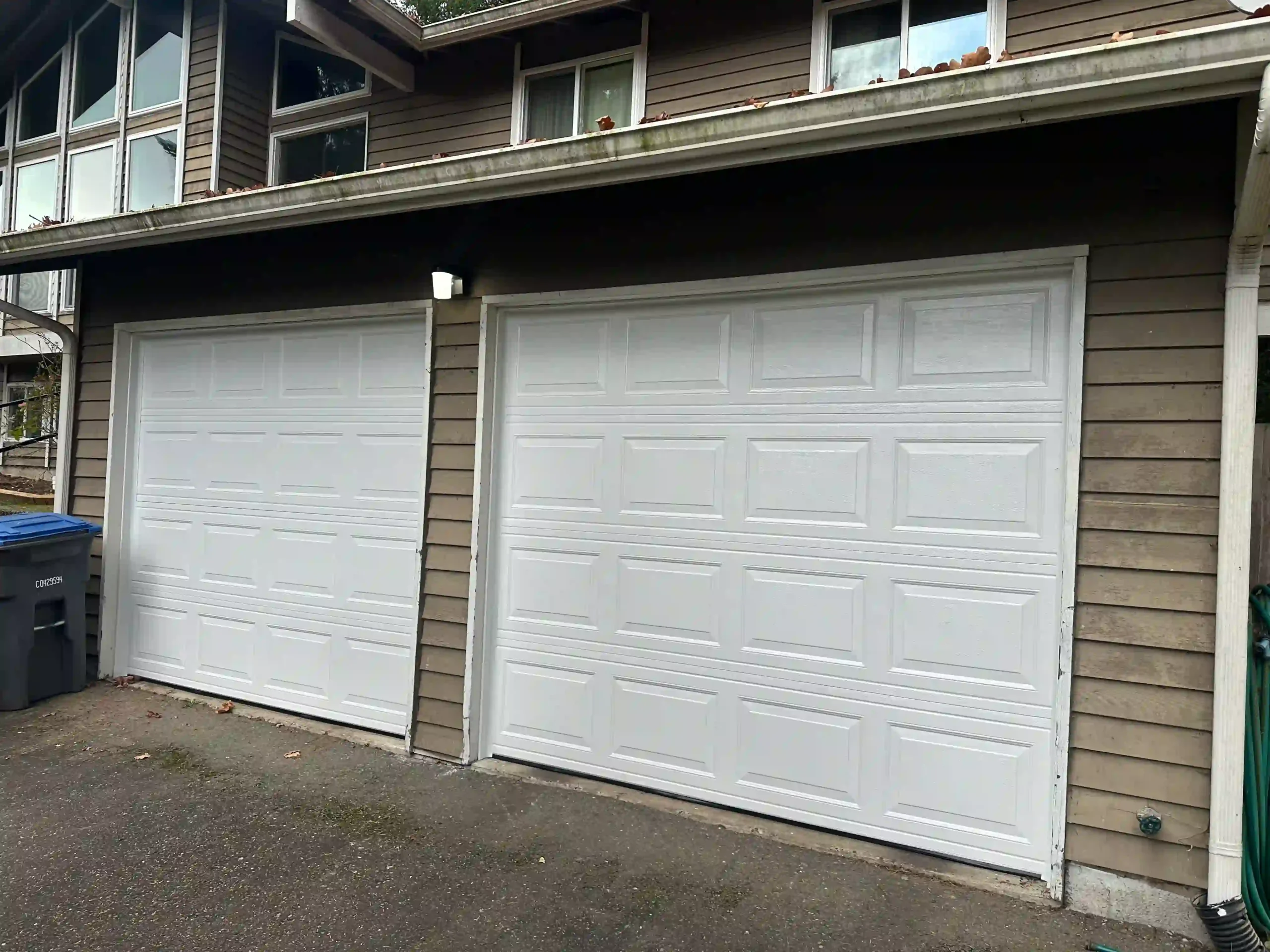
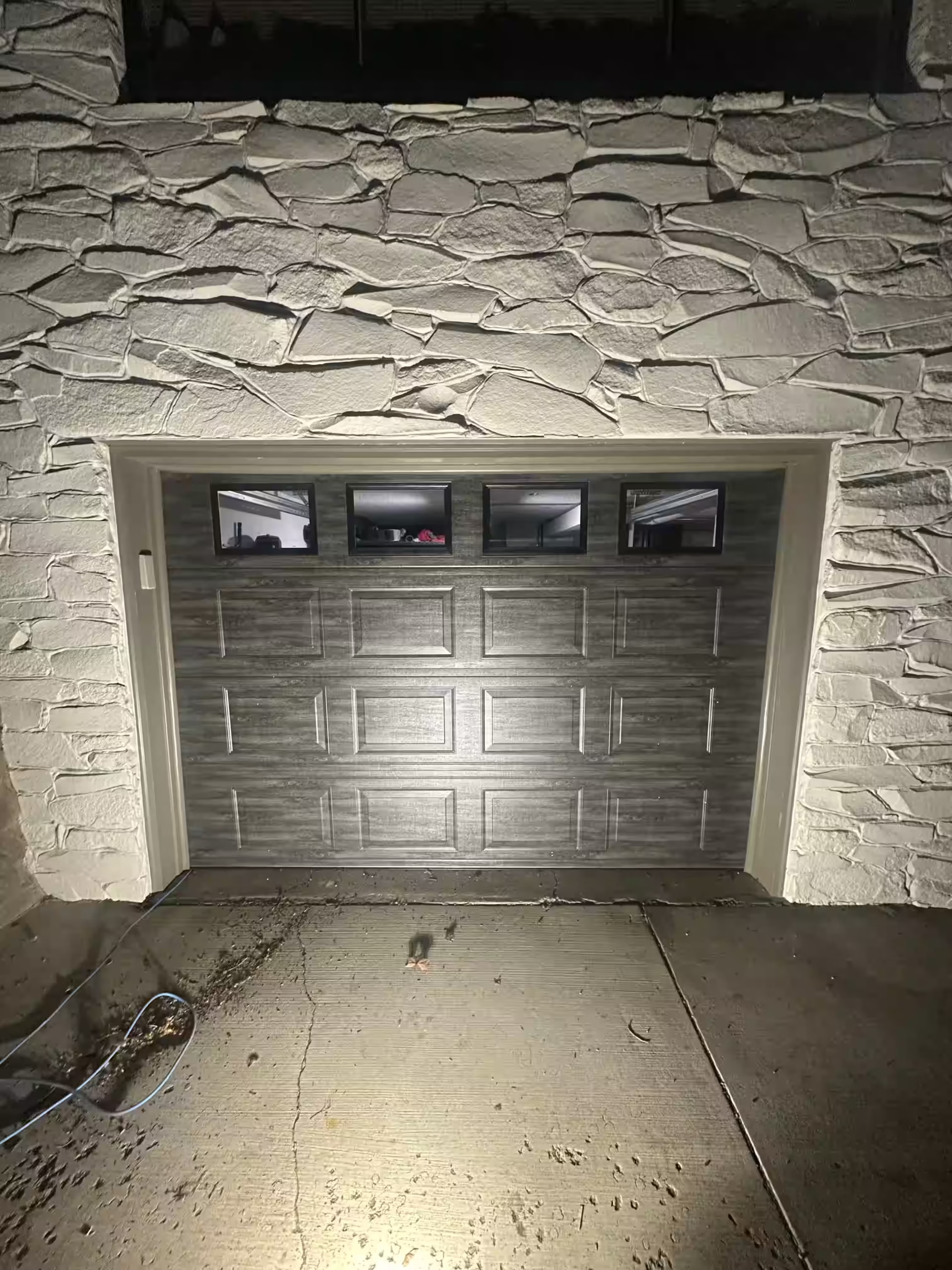
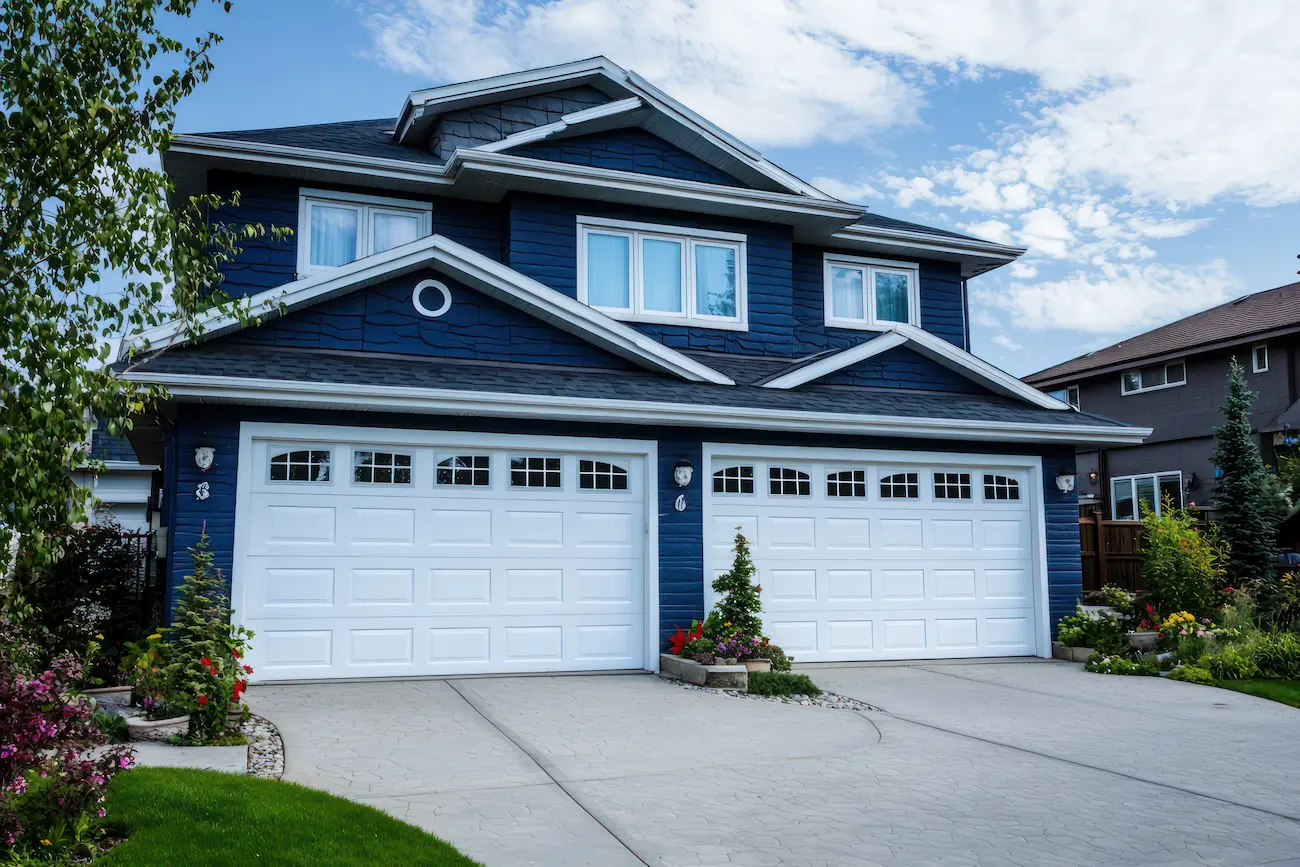
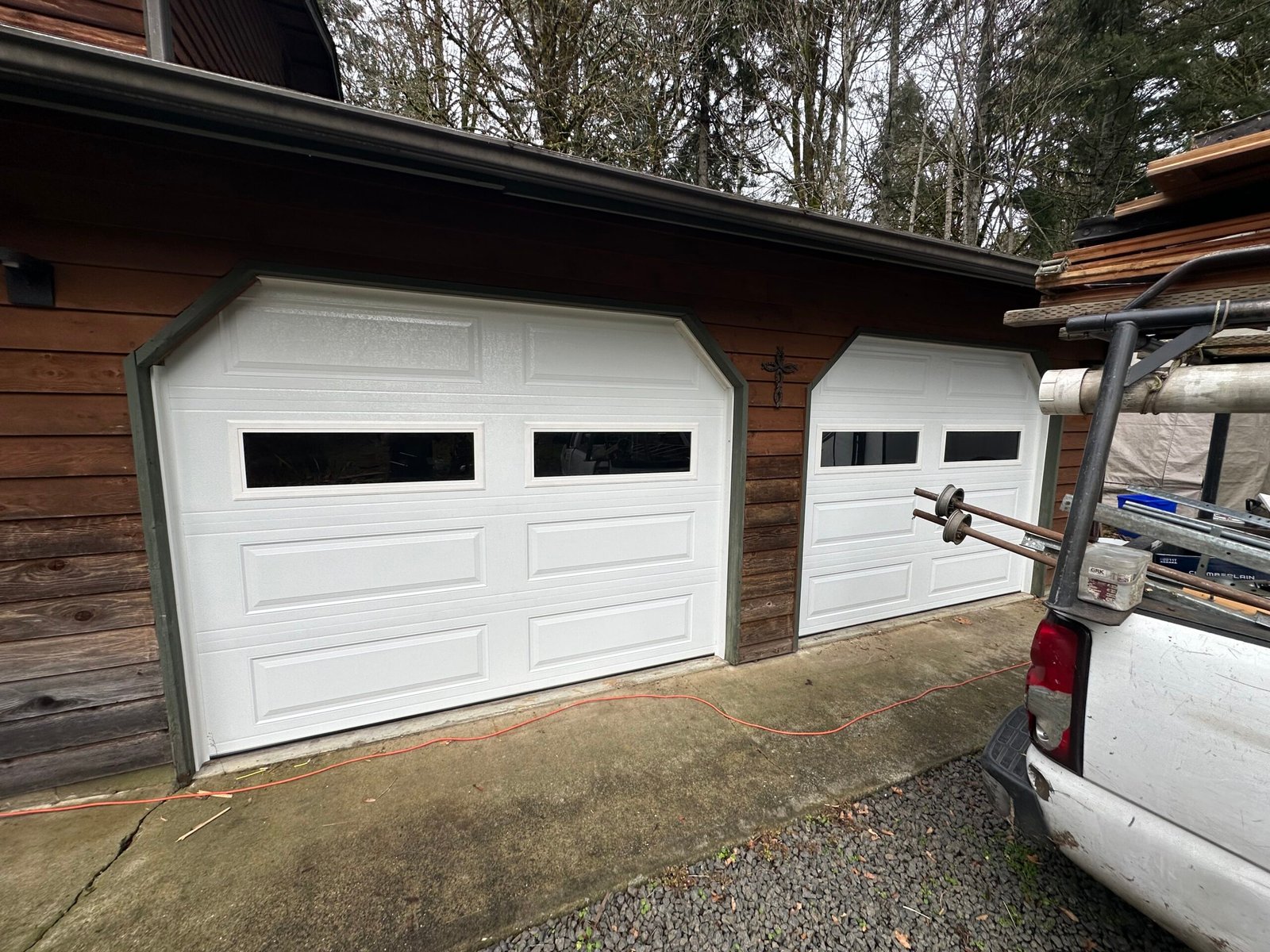
Walking into your garage after a steady Pacific Northwest rainstorm only to find puddles soaking into cardboard boxes and framing is an all-too-common frustration. When you discover water coming under garage door in Centralia, WA, treating it as a minor inconvenience can quickly lead to drywall mold, concrete spalling, and rusted tools. Overhead garage doors represent the largest moving exterior barrier on your home. If the bottom seal cannot make continuous contact with the concrete slab, moisture, wind, and debris will enter every time the weather turns.
At Emerald Garage Door, our technicians bring more than a decade of industry experience to homeowners throughout Centralia, Chehalis, and surrounding Lewis County communities. We diagnose whether water infiltration stems from failing rubber seals, uneven door travel, or external driveway grade issues. Learn more about Emerald Garage Door and how we help homeowners protect their garages from wet Northwest winters.
Garage Door Water Infiltration Diagnostic Matrix
| Infiltration Symptom | Root Cause | Weather / Site Factor | Recommended Service |
| Water enters along the entire door width | Brittle, flattened, or missing bottom astragal seal | Constant UV exposure and cold temperature cycles | Garage Door Maintenance |
| Water pools in one specific bottom corner | Door hangs crooked; track out of plumb or cable slipped | Torsion spring imbalance or uneven roller wear | Garage Door Repair |
| Puddle forms only during severe windstorms | Compressed or cracked jamb perimeter weatherstripping | Wind-driven rain forced behind side door stops | Weatherstripping Tune-Up |
| Water flows into the garage during downpours | Negative driveway slope or overflowing roof gutters | Driveway apron directs surface runoff toward the door | Gutter redirect & threshold plate installation |
| Gaps visible beneath center of closed door | Concrete slab settled or cracked unevenly | Foundation settlement or root heave beneath the slab | Heavy-duty bulb seal & floor contouring |
| Motor reverses or fails to compress seal | Opener down-travel limits calibrated incorrectly | Sensor misadjustment or drive gear wear | Garage Door Opener Service |
7 Causes of Water Coming Under Garage Door in Centralia, WA
A garage door relies on balanced mechanical components and flexible weather barriers to keep out rain. When moisture bypasses the threshold, one of these primary issues is typically responsible:
1. Worn, Flattened, or Brittle Bottom Astragal Seal
The flexible rubber or vinyl gasket running along the bottom aluminum retainer of your garage door takes the brunt of daily wear. Over years of closing against rough concrete, fluctuating winter freezes, and summer heat, this seal compresses, cracks, or pulls loose from its T-track channel. Once the rubber loses its elasticity, it leaves visible daylight gaps that allow storm runoff to seep directly across the slab.
2. Uneven Door Closure and Track Misalignment
If your garage door sits lower on one side than the other, the bottom seal cannot compress evenly. This unevenness is often caused by stretched lift cables, unequal tension across the counterbalance springs, or tracks that have shifted out of vertical plumb. Even a half-inch variance leaves a wedge-shaped opening on one side where driving rain enters freely. Because adjusting high-tension cables and springs carries severe injury risks, leveling an uneven door should always be handled by an experienced professional.
3. Driveway Sloping Toward the Garage Opening
Not all water problems originate with the garage door assembly. If your driveway or parking apron slopes downward toward the structure rather than away from it, rainfall flows straight to the door. Standard garage door seals are engineered to shed shedding runoff, not serve as a hydrostatic dam against pooling water. During intense rain events, standing water easily overflows standard rubber seals.
4. Cracked or Settled Concrete Slabs
Concrete garage floors rarely remain completely flat over decades of use. Soil settlement, seasonal ground movement, and heavy vehicle traffic often create shallow low spots or depressions directly beneath the door line. If the slab dips in the center, a rigid, flat-bottom garage door cannot contour to the depression, leaving a gap where water enters even when the seal is brand new.
5. Damaged Perimeter Jamb Weatherstripping
Water that pools on the garage floor does not always enter along the bottom edge. The vinyl flap weatherstripping mounted to the exterior wood or composite door jambs seals the vertical sides and top of the door. If this perimeter trim becomes cracked, warped, or pulls away from the exterior casing, wind pushes rain down the side channels, where it runs down the tracks and puddles on the floor.
6. Misdirected Downspouts and Overflowing Gutters
Roof drainage systems directly impact your garage apron. If overhead gutters become clogged with fir needles and maple leaves, storm runoff cascades over the gutter lip directly in front of the door. Similarly, downspouts that discharge adjacent to the garage wall without proper extension pipes send hundreds of gallons of roof runoff rushing across the driveway apron toward the threshold.
7. Wind-Driven Rain Exploiting Structural Tolerances
Centralia regularly experiences strong Pacific storm fronts where heavy rainfall is accompanied by sustained wind gusts. High wind pressure pushes rain horizontally against the face of the panels. If the garage door opener does not exert sufficient downward force to seat the door firmly into the opening, wind-driven moisture forces its way past the edges.
Evaluating Solutions: Repair, Threshold Seals, or Replacement?
Stopping water leaks requires matching the repair to the root mechanical or structural issue:
- Heavy-Duty EPDM Rubber Replacement: Replacing thin factory vinyl with oversized, heavy-duty EPDM rubber seals provides superior flexibility in cold weather and contours better to minor floor irregularities.
- Aluminum Retainer Upgrades: If your door has a single-channel retainer or a rusted wooden bottom section, upgrading to a two-piece aluminum retainer with a dual-lip bulb seal creates a much tighter compression barrier.
- Commercial Threshold Plates: Installing an engineered rubber or aluminum threshold strip adhered directly to the concrete floor creates a raised ramp that blocks driving surface water from rolling inward.
- Opener Travel Recalibration: Ensuring your automatic opener’s down-limit and force settings press the bottom seal completely against the slab without stressing the motor is part of proper garage door opener installation and tuning.
- Comprehensive System Overhaul: If chronic water intrusion has rusted the bottom steel sections, rotted panel struts, and corroded track hardware, full garage door replacement or professional garage door installation may be the most cost-effective long-term solution.
All residential door adjustments should comply with equipment safety standards outlined by the Door & Access Systems Manufacturers Association (DASMA). For broader property drainage planning, homeowners can consult local stormwater management resources provided by the City of Centralia Public Works Department.
Frequently Asked Questions
Will a rubber threshold seal stop water from entering my garage?
A floor-mounted threshold seal is very effective at stopping surface rainwater that pools just outside the door or is driven by light winds. However, if your driveway has a steep negative slope sending heavy runoff toward the house, a threshold seal must be paired with exterior trench drains to manage the water volume.
Can I replace my garage door bottom weatherstripping myself?
While sliding new rubber into an existing bottom track is a common DIY task, determining the correct width, channel style (T-style, bead, or round), and thickness can be tricky. Additionally, if the gap is caused by uneven track alignment, worn cables, or broken spring tension, replacing the seal will not fix the leak.
Why does my garage door leak only on one side?
One-sided leaks typically indicate that the door is hanging out of level or the concrete floor has settled unevenly in that corner. Inspect the lower corner for daylight when the door is closed, and check that the lift cables maintain equal tension on both sides.
How often should garage door weatherstripping be replaced in Washington?
In the wet, variable climate of Western Washington, garage door bottom seals and perimeter jamb seals typically last 3 to 5 years before becoming brittle or flattened. Scheduling annual garage door maintenance ensures seals are cleaned, conditioned, and replaced before winter storms hit.
Schedule Garage Door Service in Centralia, WA
Don’t let rainy weather ruin your stored belongings or create slick, dangerous garage floors. Pinpoint the root cause of water coming under garage door in Centralia, WA with a comprehensive hardware inspection and weatherization tune-up.
From historic neighborhoods near downtown Centralia and Seminary Hill to properties along Harrison Avenue and Fort Borst Park, Emerald Garage Door provides dependable, honest service throughout Lewis County. Contact Emerald Garage Door today to schedule an on-site evaluation and keep your garage clean, dry, and secure all year long.